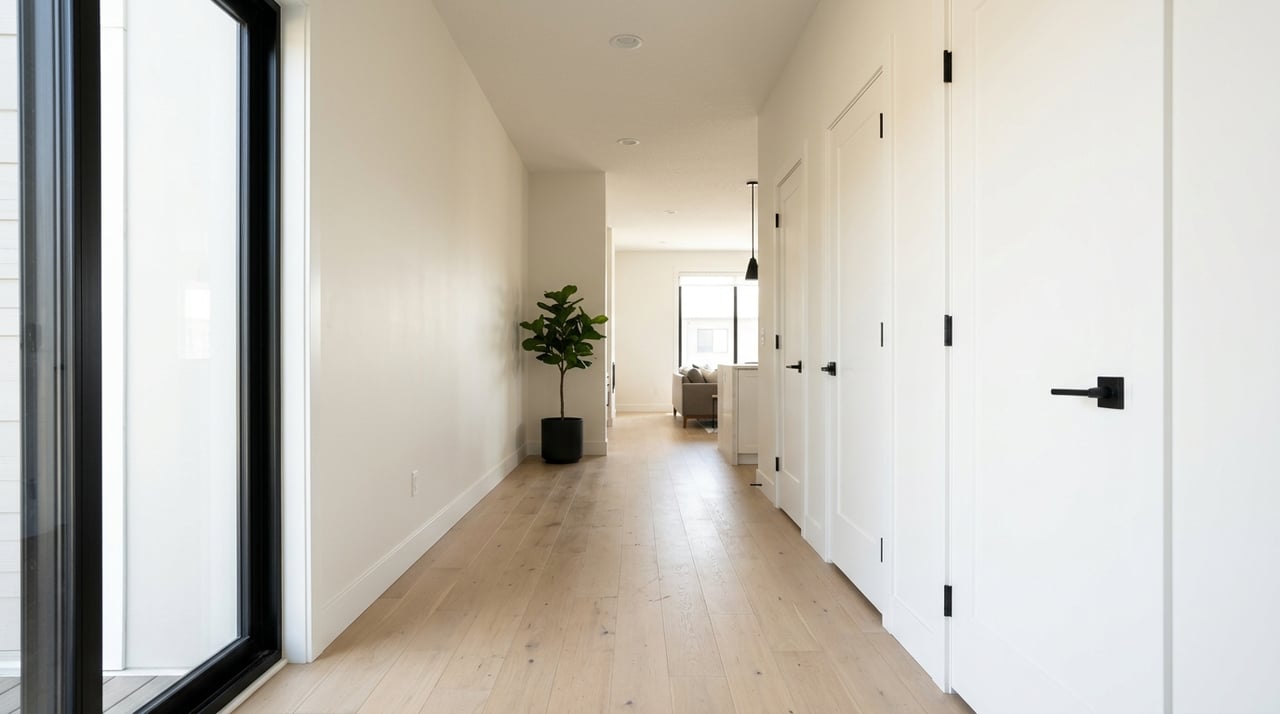
Selling your home in Manvel can feel like trying to hit a moving target. You want to sell for a strong price, avoid unnecessary delays, and plan your next move with confidence. The good news is that there is a workable timeline, even if no two sales look exactly the same. Here’s what you can realistically expect from prep to closing in today’s Manvel market. Let’s dive in.
What timeline should you expect?
If you are selling a home in Manvel, a realistic planning range is about 4 to 8 months from serious prep to closing. Based on recent public market trackers and standard financing timelines, that usually breaks down into three big phases: prep, time on market, and closing.
A conservative working range is 2 to 12 weeks for prep, roughly 70 to 130 days on market, and about 30 to 45 days to close after contract. That range fits current local conditions better than a one-size-fits-all promise, especially since different public sources are tracking somewhat different market speeds in Manvel.
Realtor.com’s Manvel market overview described Manvel as a buyer’s market and reported a 70-day median on market, while other public trackers have shown longer timelines. That tells you one important thing: planning ahead matters.
Why Manvel timing can vary
Not every home in Manvel will follow the same path. Price point, condition, presentation, repairs, and buyer financing can all change your timeline.
Recent public data supports using a range instead of a single number. Realtor.com’s market data for Manvel reported a median sale price of $475,000 and a 100% sale-to-list ratio, while the research also showed market-time estimates from other major platforms that stretched well beyond two months.
That means you should not expect every well-kept home to sell instantly. It also means a smart strategy can help you avoid becoming one of the listings that lingers.
Phase 1: Prep before listing
For many sellers, the timeline starts well before the home goes live. If you want a smoother launch, this phase is where you set yourself up for fewer surprises later.
According to Zillow’s seller prep guide, many sellers start preparing 60 to 90 days before listing. That preparation can include repairs, decluttering, cleaning, staging, photography, and final show-ready details.
A simple prep schedule
Here is a practical way to think about the prep phase:
- 8 to 12 weeks out: major planning and larger projects
- 6 to 8 weeks out: repairs and improvements
- 4 to 6 weeks out: decluttering, deep cleaning, and staging
- 2 to 4 weeks out: photography and listing materials
- 1 to 2 weeks out: final touch-ups and show-ready details
This does not mean every seller needs three full months. It does mean that rushing the prep stage can create avoidable problems once buyers start touring.
What prep tasks matter most?
Some tasks consistently help homes show better and move faster. In NAR’s 2025 home staging report, 49% of sellers’ agents said staged homes sold faster.
The most common seller recommendations in that report were:
- Declutter the home
- Clean the entire home
- Improve curb appeal
Those basics matter because buyers tend to notice condition and maintenance right away. A clean, well-presented home helps them focus on the space itself rather than the work they think they will need to do.
Phase 2: Get paperwork ready early
One of the easiest ways to lose time is to wait until you have an offer before gathering disclosures and property documents. In Texas, seller paperwork can directly affect the timeline.
For most previously occupied single-family homes, the Texas Seller’s Disclosure Notice from TREC is required. The form covers material facts and the physical condition of the property.
Why disclosures can affect timing
The Texas Real Estate Research Center notes that if a buyer has not received the disclosure yet, the seller has a negotiable period to deliver it, and then the buyer has seven days after receipt to terminate. That means late paperwork can create extra uncertainty after you thought the deal was moving forward.
The Texas REALTORS disclosure chart also shows that some sales may require additional notices, such as:
- Mandatory HOA membership disclosures
- PID or statutory tax district disclosures
- Lead-based paint disclosures for homes built before 1978
If you gather these items before listing, you are less likely to hit preventable delays once a buyer is under contract.
Phase 3: Active market time in Manvel
Once your home is listed, this is usually the longest part of the process. In Manvel, it is smart to prepare for a meaningful marketing period instead of assuming a quick weekend sale.
Current public data suggests that roughly 70 to 130 days on market is a reasonable planning range. Realtor.com’s Manvel overview reported 70 median days on market, and the broader research reflects longer timeframes from other public trackers.
What can shorten or stretch market time?
Several factors can influence how long your home takes to attract the right buyer:
- Pricing close to market from the start
- Property condition and repair needs
- Staging and photo quality
- Buyer demand in your price range
- How much competition is active when you list
Homes that are well-prepared and positioned correctly tend to stay closer to the low end of the range. Homes that need updates, repairs, or price adjustments often take longer.
Phase 4: Offer accepted and option period
Once you accept an offer, you are not at the finish line yet. Texas contracts often move into a short inspection and negotiation stage that can be calm or complicated depending on what comes up.
The Texas Real Estate Research Center explains that the option period is negotiable and gives the buyer time to inspect the property and decide whether to move forward. Texas contract days are counted in calendar days, and the effective date counts as day zero.
What happens during this stage?
This is usually when the buyer:
- Schedules inspections
- Reviews the home’s condition in more detail
- Requests repairs, credits, or a price change if needed
- Decides whether to continue under the contract
This phase can move quickly, but it can also add several days if inspection findings lead to back-and-forth negotiation. Because the option period is negotiable, the exact timing can vary from one contract to another.
Phase 5: Under contract to closing
After the inspection stage settles, the sale usually moves into financing, title work, final approvals, and closing coordination. For financed purchases, this stage commonly takes 30 to 45 days.
Freddie Mac’s consumer closing guide says the average time to close a purchase loan is 43 days. It also explains that closing is the meeting where documents are signed, costs are paid, and ownership officially transfers.
What happens before closing day?
This period may include:
- Buyer loan underwriting and lender conditions
- Appraisal and title work
- Repair completion, if agreed in the contract
- Final walk-through, often about 24 hours before closing
- Closing disclosure review
The CFPB timing rule referenced in Freddie Mac’s guide requires the Closing Disclosure at least three business days before closing. Even in a smooth transaction, there are several moving parts that need to line up.
A sample Manvel selling timeline
If you want a simple working model, here is a realistic example:
| Phase | Typical timing |
|---|---|
| Pre-list prep | 2 to 12 weeks |
| Active on market | 70 to 130 days |
| Under contract to close | 30 to 45 days |
| Total | About 4 to 8 months |
This is not a guarantee for every home, but it is a practical planning range based on current research and standard Texas transaction flow.
How to stay closer to the faster end
You cannot control every part of the market, but you can control how prepared your home is before it launches. That often makes a real difference.
If you want to improve your odds of a smoother sale, focus on these steps:
- Start prep early instead of waiting until the last minute
- Complete key repairs before listing
- Declutter and deep clean thoroughly
- Gather disclosures and property documents up front
- Use strong photography and professional presentation
- Price the home based on current market conditions, not just hopeful expectations
For many sellers, the goal is not just to sell fast. It is to sell with fewer disruptions, fewer renegotiations, and a better overall outcome.
Why timing matters for your next move
A clear timeline helps you plan more than your sale. It can shape your moving schedule, purchase timing, storage needs, and budget for repairs or updates.
If you are selling in Manvel, it is wise to think several months ahead. The better your planning on the front end, the easier it is to make decisions when showings, offers, inspections, and closing deadlines start coming quickly.
When you want a realistic strategy based on local conditions, pricing insight, and professional presentation, The Sam Team can help you build a step-by-step plan that fits your goals. We’ll get you moving!
FAQs
How long does it usually take to sell a home in Manvel, TX?
- A realistic planning range is about 4 to 8 months from serious prep to closing, including roughly 2 to 12 weeks for prep, 70 to 130 days on market, and 30 to 45 days to close.
How far in advance should you prepare your Manvel home for sale?
- Many sellers begin preparing 60 to 90 days before listing, especially if the home needs repairs, decluttering, cleaning, staging, or photography.
What paperwork should Manvel home sellers gather before listing?
- Many sellers should gather the Texas Seller’s Disclosure Notice early, along with any applicable HOA, PID, tax district, or lead-based paint disclosures.
How long is the option period in a Texas home sale?
- The option period is negotiable, so the exact number of days can vary by contract, and Texas contract days are counted in calendar days.
How long does closing take after accepting an offer in Manvel?
- After contract, a financed sale commonly takes about 30 to 45 days to close, depending on lender, title, appraisal, and any repair-related follow-up.