Are single-family homes in Manvel a smart long-term investment? For many buyers, the answer depends less on chasing quick cash flow and more on understanding how Manvel is growing, what types of homes hold broad appeal, and which costs can shape your returns over time. If you are thinking about buying, holding, or keeping a home as a rental in Manvel, this guide will help you evaluate the opportunity with a clear local lens. Let’s dive in.
Why Manvel draws long-term interest
Manvel is still in a growth phase, which matters if you are thinking like a long-term investor. Census estimates place the city at 20,699 residents in 2025, which is up 110.5% from 2020. The City of Manvel also describes the area as a rapidly growing community along the Highway 288 corridor south of Houston.
That growth is also showing up in the tax base and housing count. The city’s FY2026 budget says property counts rose from 9,034 to 10,268, while net taxable value increased to $2.346 billion. For you, that suggests an area still adding rooftops, infrastructure, and demand rather than a market that has already fully matured.
What the housing profile tells you
Manvel’s housing profile points to a market shaped heavily by owner-occupied single-family homes. Census data shows an 81.4% owner-occupied housing rate, a median household size of 3.04, and 26.4% of residents under 18. That combination supports the idea that many households in the area are looking for practical space, not just the lowest monthly rent.
Income and housing costs also help frame the opportunity. The Census reports a median household income of $118,808, median gross rent of $2,209, and median monthly owner cost with a mortgage of $2,788. In simple terms, Manvel appears better suited to a steady, long-hold strategy tied to appreciation and loan paydown than to a high-yield rental play.
Manvel investing is more about appreciation
Public market data puts Manvel’s median sale price at about $475,000 over the last three months. When that figure is compared with the Census rent data, the rough gross rent-to-price ratio comes out near 5.6% before taxes, insurance, vacancy, maintenance, and financing. That is not a formal cap rate, but it does help set expectations.
If you are looking for strong immediate income, Manvel may not check every box. If you are looking for a suburban market with long-term growth potential, broad owner-occupant appeal, and the possibility of future resale strength, the picture becomes more attractive. That is an important distinction before you buy.
Which homes make the most sense
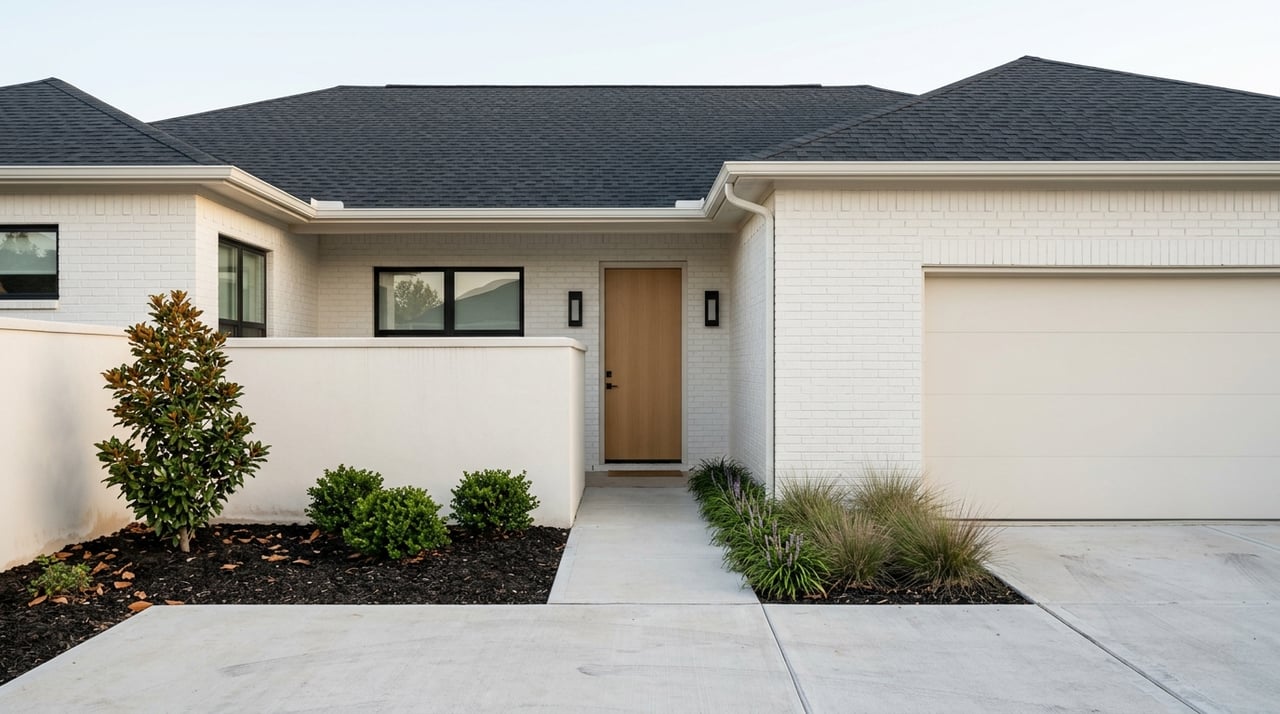
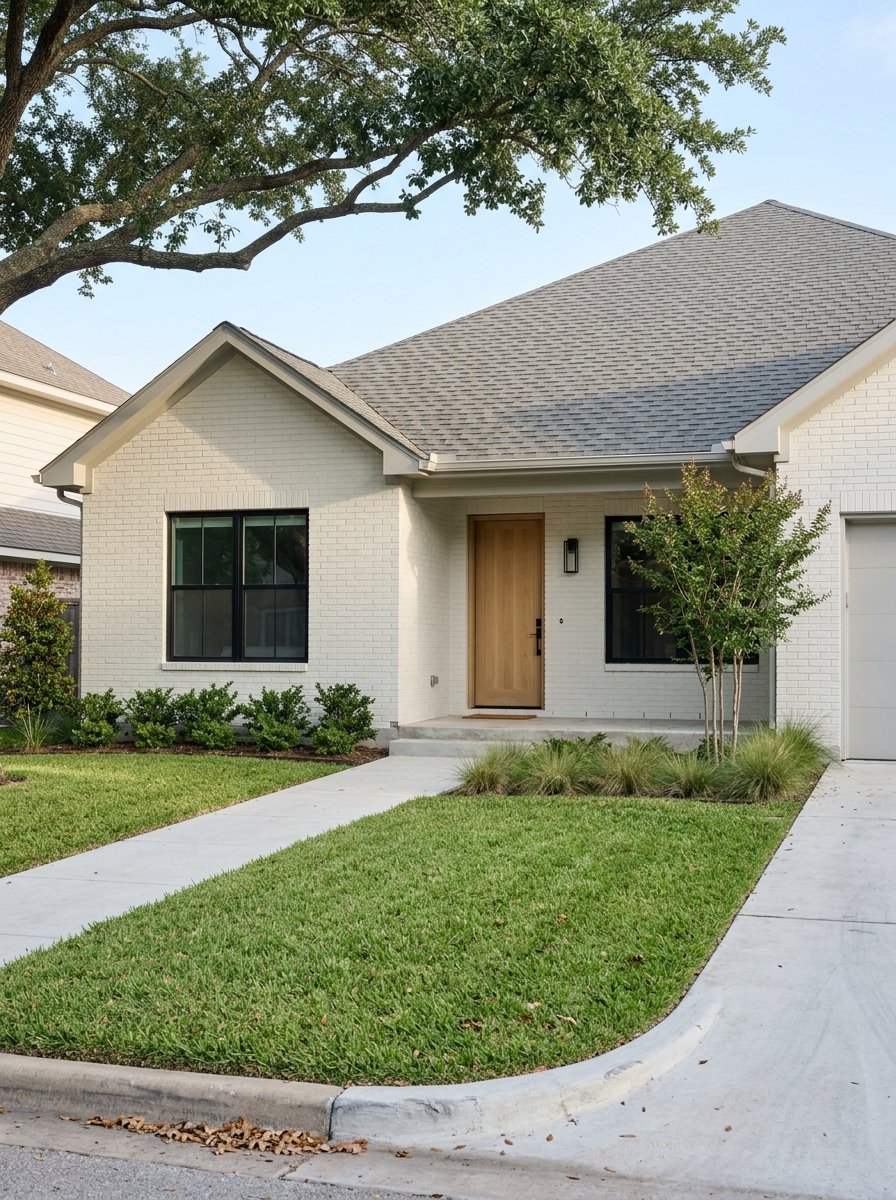
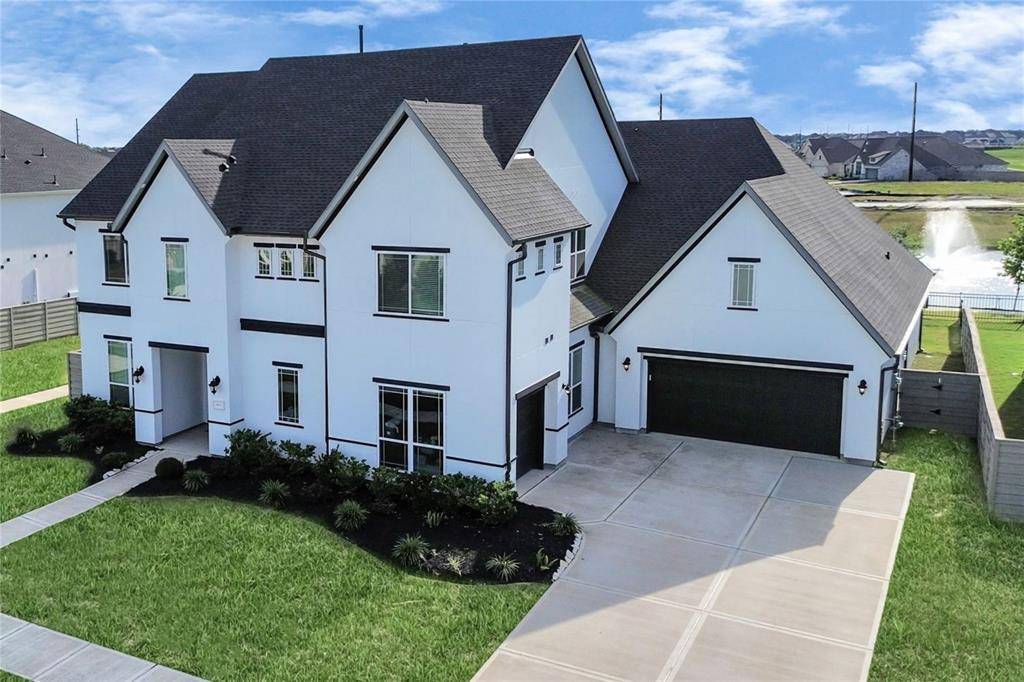
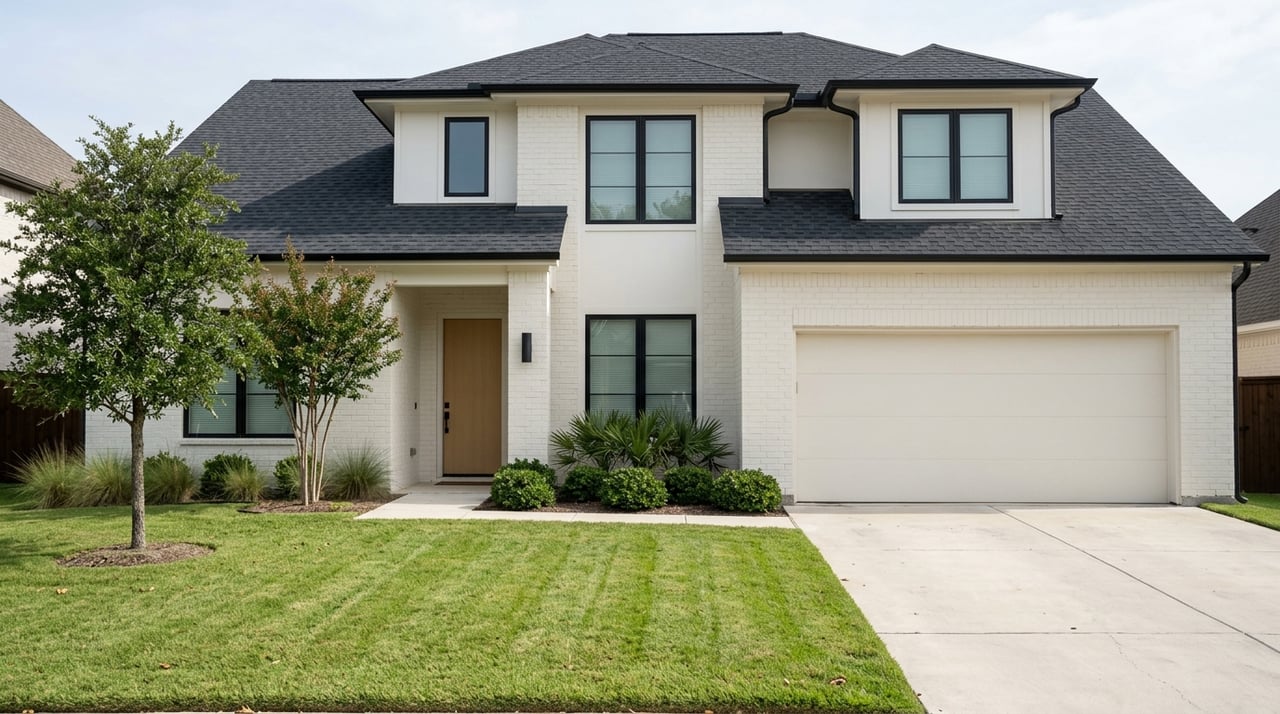
In Manvel, the most natural rental product is usually a detached single-family home that could also appeal to an owner-occupant later. That matters because your exit strategy should be part of your investment plan from day one. A home that rents reasonably well and also resells well gives you more flexibility.
A practical default profile is often a 3- or 4-bedroom home with a functional layout, garage parking, a fenced yard, and finishes that are durable and easy to maintain. That lines up with the city’s suburban character and household profile. In many cases, the most investable home is not the flashiest one. It is the one with the widest everyday appeal.
Features that can support rentability
When you compare homes, focus on features that make daily life easier and ownership simpler:
- 3 to 4 bedrooms
- Functional living and storage space
- Garage parking
- Fenced outdoor space
- Maintenance-friendly materials and finishes
- Convenient access to major commuter routes
These features do not guarantee performance, but they can support both tenant demand and future resale appeal.
Why location within Manvel matters
Not every property in Manvel carries the same investment profile. The city highlights its location along the Highway 288 corridor, and Census data shows a mean commute time of 35.2 minutes. For many households, access and drive time are practical decision factors.
That means convenience can carry real value. A home with easier access to commuter routes may stand out more than a similar home that feels less connected. When you evaluate a property, think beyond the house itself and consider how the location works for everyday routines.
Flood and drainage deserve extra attention
Flood and drainage screening should be high on your list in Manvel. The City of Manvel’s flood damage prevention materials state that severe flooding has occurred in the past and that the area is prone to rising water. The city’s permit packet also notes that projects in floodplain areas can require elevation certificates and drainage plans.
For you, this means floodplain status is not a small side note. It can affect insurance costs, reserve planning, renovation timelines, and overall risk. A property near or in a flood zone should be underwritten with more caution, including flood insurance considerations, stronger cash reserves, and realistic repair budgeting.
Questions to ask before you buy
Before you move forward on a Manvel investment home, ask about:
- Flood zone status
- Prior flooding history, if known
- Elevation documentation
- Drainage improvements already completed
- Roof age
- Wind or hail insurance deductibles
These details can have a real effect on the total cost of ownership.
Know the carrying costs upfront
Long-term investing works best when you underwrite conservatively. In Manvel, property taxes are a major line item to study early. The city’s FY2026 budget assumes a $0.56 city rate per $100 of value, Brazoria County’s 2025 no-new-revenue rate is $0.304758, and Alvin ISD’s 2025 tax rate is $1.1221.
Together, that is about $1.99 per $100 of value, or roughly $7,947 per year on a $400,000 home before exemptions and special districts. Parcel-specific charges can vary, so the actual tax load should always be checked on the specific property. If you skip this step, your projected returns can look better on paper than they do in real life.
Budget for more than the mortgage
Taxes are only one part of the picture. Insurance, maintenance, turnover, and capital expenses can all shift your results over time. In a market like Manvel, where floodplain and drainage factors may vary parcel by parcel, those costs deserve careful review.
A smart underwriting conversation should include your property manager and your CPA. The property manager can help you think through rentability, maintenance patterns, and leasing logistics. Your CPA can help separate repairs from improvements, review depreciation, and clarify how the property may perform from a tax planning standpoint.
Core line items to review
Use this checklist as a starting point:
- Property taxes
- Homeowners insurance
- Flood insurance, if needed
- Wind and hail deductibles
- Routine maintenance
- Vacancy allowance
- Turnover costs
- Capital reserves for major items
- Property management fees
- Tax treatment with your CPA
The more realistic your numbers are at the start, the fewer surprises you are likely to face later.
Texas landlord rules also matter
If you plan to rent out the home, Texas lease compliance should be part of your planning. Texas rules require security deposits to be refunded within 30 days after surrender. The law also prohibits using the deposit as last month’s rent.
Texas law generally requires at least three days’ written notice to vacate before filing an eviction suit unless the lease provides otherwise. Landlords are also required to make a diligent effort to repair or remedy conditions that materially affect health or safety. These are practical operating rules, so if you plan to hold a rental, it helps to have a property manager who understands them.
Think about your exit before you buy
One of the most useful ways to evaluate a Manvel home is to ask two questions at the same time. Will this property rent well enough to justify holding it, and will it appeal to future owner-occupants if you decide to sell? In a fast-growing suburban market, the overlap between rentable and resellable can make a big difference.
That is especially true for accidental landlords. If you already own a home in Manvel and are debating whether to keep it or sell it, the decision is not just about today’s rent. It is also about local resale demand, carrying costs, flood risk, and how the home fits the broader owner-occupied market.
Where a local agent adds value
A local agent can help you compare homes through both an investor lens and a resale lens. In Manvel, that means looking at neighborhood-level demand, likely buyer appeal, practical commute access, tax load, and any early signs that a property may be harder to lease or resell later. That local context matters in a growing market where not all homes perform the same way.
For many buyers, the biggest benefit is filtering risk before you make an offer. The Sam Team brings neighborhood knowledge across Pearland and the southern Houston suburbs, along with broker and appraiser-led pricing insight. If you want to buy a Manvel home with a long-term plan in mind, that kind of local analysis can help you make a more confident decision.
If you are weighing a purchase, deciding whether to keep your current home as a rental, or comparing resale versus hold strategies in Manvel, The Sam Team can help you look at the numbers, the neighborhood, and your next move with clarity. We’ll get you moving!
FAQs
Is Manvel, Texas better for cash flow or long-term appreciation?
- Based on current sale price and rent data, Manvel looks more like a long-term appreciation and amortization market than a high-cash-flow rental market.
What type of Manvel home is usually most investable?
- A detached 3- or 4-bedroom single-family home with a functional layout, garage parking, a fenced yard, and durable finishes often has the broadest rental and resale appeal.
Why does flood risk matter for Manvel investment homes?
- City materials note that severe flooding has occurred in the past and that the area is prone to rising water, which can affect insurance, reserves, renovation planning, and overall risk.
What taxes should you estimate on a Manvel rental home?
- Using the city, county, and Alvin ISD rates cited in the research, the combined rate is about $1.99 per $100 of value, or roughly $7,947 per year on a $400,000 home before exemptions and special districts.
How can a local real estate team help with a Manvel investment decision?
- A local team can help you compare rentability, resale potential, neighborhood demand, tax impact, and property-specific risks before you buy or decide whether to keep a home as a rental.